By michelle_mitchell Ekim 6, 2026

As a person who dedicates a substantial amount of time examining online slot mechanics and player data, I’ve developed a strong interest in how players decipher their gaming sessions https://pirate.eu.com/. The idea of interpreting “signs” from slot results, notably from a well-known game like Pirate Slots, is a captivating blend of psychology, probability, and personal belief. I want to explore this concept not as a mystical guide, but by analyzing the common patterns and psychological triggers that cause players to see meaning in random outcomes. This isn’t about forecasting future spins; it’s about grasping the human need to find narrative in chance, a tendency as old as seafaring pirates looking for omens in the stars.
The impact of Game Topics and Narratives
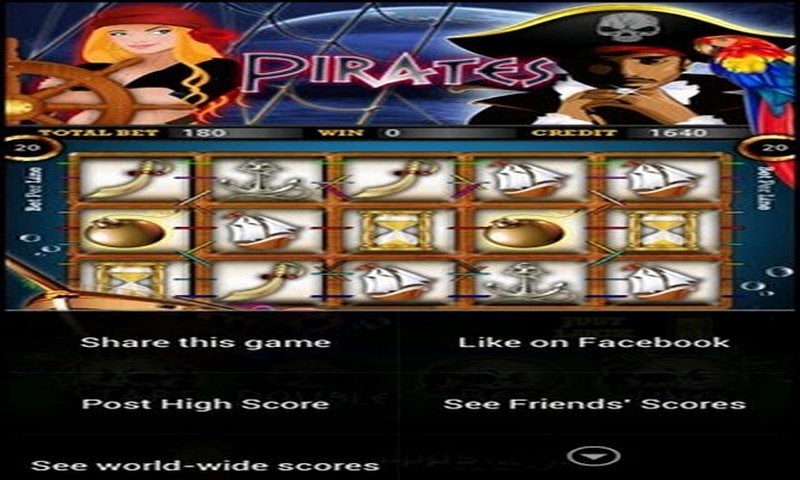
The pirate theme itself is a powerful catalyst for sign interpretation. Pirate lore is rich with omens, treasure maps, and hidden clues. Game developers masterfully weave this narrative into the symbols, music, and bonus rounds. When you hit a sequence of “map” symbols leading to a “treasure chest” scatter, it appears as a story unfolding. I see this as part of the game’s fun aspect—it creates immersion. However, it’s vital to consciously recognize this as a themed experience, not a communicative one. The game is telling a pre-written pirate tale using random elements; it is not interpreting your luck or sending personalized messages through the reels.
In what manner Immersion Influences Perception
This immersive quality straightforwardly affects how we perceive outcomes. A bonus round triggered by three parrot symbols feels more meaningful and “meaningful” than a simple “Free Spins” text box because it fits the narrative. The subsequent adventure-style bonus game, where you might select islands to plunder, reinforces the idea of a skill-based or fate-driven journey. I value this design artistry, but as an analyst, I observe that the underlying trigger was still a random RNG outcome. The narrative is a reward in itself, improving the enjoyment but not altering the fundamental randomness of the initiation.
The facts of Random Number Generators
To present a calm, neutral perspective, I must anchor this discussion in the core technology: the Random Number Generator (RNG). Every modern online slot, including Pirate Slots, uses a certified RNG to decide the outcome of each spin. This system operates continuously, generating thousands of numbers per second. The moment you press ‘spin,’ the game takes the most recent number to decide the symbol combination. This means each spin is entirely independent, isolated, and uninfluenced by previous or future spins. The RNG has no memory, no mood, and no capacity to send “signs.” What we interpret as a pattern is simply a random slice of a vast, non-sequential sequence.
Why Past Spins Don’t Predict Future Outcomes
This independence is the most critical concept to grasp. If a player experiences ten spins without a win, the probability of winning on the eleventh spin is mathematically unchanged from the first spin. The game does not “owe” a win after a losing streak. The belief that it does is known as the gambler’s fallacy. Similarly, a win does not “reset” the machine or make another win less likely in the short term. Viewing sessions through this lens helps separate the engaging fiction of pirate adventure from the mathematical reality of how the game functions.
Differentiating Between Superstition and Approach
While interpreting signs is a form of superstition, there are calculated approaches to playing slots that are rooted in reality. I separate these clearly to encourage responsible play. Strategy involves understanding the game’s workings, such as its volatility, Return to Player (RTP) percentage, and bonus feature triggers. For example, knowing that Pirate Slots has a high-volatility model means you realize that wins may be less frequent but possibly larger, which helps control expectations. Superstition, like looking for a specific “sign” symbol before increasing your bet, has no basis in the game’s programming and can lead to irrational decision-making.
- Strategy is: Establishing a budget and session time limit before you begin.
- Superstition is: Thinking that playing at a certain time of day yields better results.
- Strategy is: Reading the game’s paytable to grasp symbol values and bonus rules.
- Superstition is: Assuming that tapping the spin button twice makes a win more possible.
Mindful Gambling and Staying Grounded
My primary concern in addressing topics like sign interpretation is guaranteeing it doesn’t affect a player’s behavior. Seeing “signs” can sometimes lead to chasing losses or thinking a win is guaranteed. I advocate for a perspective that embraces the thematic fun of searching for patterns—much like enjoying the storyline of a movie—while securely grounding decisions in responsible habits. This means treating any perceived sign as part of the entertainment, not as investment advice. The real “sign” to watch for is your own emotional state; if you feel frustrated or are playing beyond your limits, that’s a strong sign to take a break.
- Always emphasize entertainment value over the expectation of winning.
- Use deposit limits and loss limits as practical instruments, not superstitions.
- Remember that time spent playing is a cost, and budget it like any other leisure activity.
- If you find yourself sincerely thinking in patterns, step back and reassess the facts about RNGs.
What We Mean by “Signs” in Slot Results
When discussing about signs in the context of Pirate Slots results, I am pointing to the personal meanings players attribute to certain game events. This is not an established system, but a personal experience where a near-miss, a specific symbol sequence, or even the occurrence of a bonus round feels significant. The human brain is programmed to detect patterns, even where none exist—a cognitive bias known as apophenia. In a game rich with pirate-themed icons like treasure chests, parrots, and maps, it is simple to construct a story. For instance, landing two scatter symbols right before the bonus might be seen as a “tease” or a sign that the feature is “coming soon,” notwithstanding each spin being an independent event.
The Psychology Behind Seeking Patterns
The urge to find signs is strongly psychological. A near-miss, where symbols come close for a big win, triggers similar neural pathways as an actual win, creating a feeling of “almost there.” This could be misread as a sign of imminent success, prompting continued play. The game’s audiovisual feedback—celebratory sounds for small wins, animated sequences—are engineered to create positive reinforcement loops. When examining session data, I see how these designed moments are often the ones players remember as “signs,” because they are noticeable emotionally from the more regular, non-eventful spins.
Common “Signs” Gamers Report in Pirate Slots
Through community forums and player feedback, I’ve compiled some of the most commonly mentioned interpretations. It’s essential to remember these are player perceptions, not indicators of the game’s algorithm. A frequent belief is that a period of small, frequent wins suggests a “building” phase before a larger payout. On the other hand, a long drought without any win is sometimes thought to mean a big bonus is “due.” Others pay close attention to specific symbol behaviors, like a treasure chest symbol appearing repeatedly on the reel without triggering a bonus, which might be seen as the game “loading” the feature.
- The “Warm-up” Sequence: A series of low-value wins seen as the game preparing for a major payout.
- The “Teasing” Reel: When a high-value symbol, like a wild pirate captain, stops just above or below the payline repeatedly.
- Bonus Audio Cues: Hearing a snippet of the bonus round music or sound effect on a non-bonus spin, taken as a hint that the feature is close.
Conclusion: Enjoying the Story, Acknowledging the Game
Interpreting signs from Pirate Slots results is a frequent and human behavior, bringing a layer of personal tale to the gaming experience. Throughout this article, I’ve examined the psychological roots of this, the frequent patterns players see, and the fixed reality of RNG technology. The key takeaway is to savor the rich pirate theme and the stories you create around your spins, but always differentiate that fun from your understanding of how the game works. By appreciating the design while respecting the randomness, you can savor Pirate Slots as a exciting form of entertainment, maintaining your experience both pleasurable and rooted in sensible play.